




Key Takeaways from the ADLM 2026 Annual Meeting, Anaheim, California
Submitted by: Mary Kathryn Bohn, Rajeevan Selvaratnam
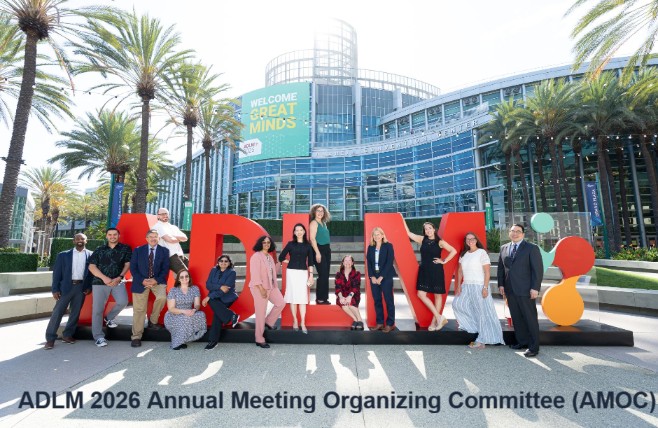
The ADLM 2026 Annual Meeting took place in Anaheim, California from July 26-30, 2026, convening global leaders in clinical diagnostics and laboratory medicine. The scientific program featured over 100 hours of plenary sessions, special sessions, and scientific lectures covering diverse and emerging topics. Several CSCC members and Canadian scientists contributed to the scientific program, including Dr. Rajeevan Selvaratnam who served on the organizing committee as a scientific session coordinator.
Highlights from Scientific Sessions:
- Khosrow Adeli presented the latest on pediatric reference intervals, providing invaluable learning lessons from CALIPER as ADLM launches their long anticipated national initiative.
- Sean Campbell shared practical, evidence-based strategies to strengthen diversity, equity, and inclusion efforts in clinical environments to better support the communities we serve.
- Daniel Holmes discussed the latest in mass spectrometry applications for clinical laboratories, including emerging application of AI/pattern recognition, next generation automation, and technological translation to other laboratory medicine fields.
- Mari DeMarco provided a timely update on diagnostic modalities for Alzheimer’s disease, including the new joint ADLM-CSCC Guidance Document.
- Christopher McCudden continued the always well-attended Bad, Better, Best series. This iteration focused on putting leadership behaviours to the test, addressing challenges in addressing workforce shortages, changes in technology, and management strategies.
- Dana Nyholt presented alongside hematologists to discuss adopting evidence-based thresholds for ferritin as opposed to reference intervals, highlighting new ASH guidelines and pioneering work from the Raise the Bar initiative in Ontario.
- Julie Shaw provided her expert perspective on wearable devices for diagnosis testing with focus on CGM and the need to leverage AI for optimal EHR integration.
- Matthew James from University Calgary provided new insights from the forthcoming Kidney Disease Improving Global Outcomes (KDIGO) guideline on Acute Kidney Injury and Acute Kidney Disease that he is leading.
George Grannis Award – Congratulations Dr. Cate Omosule!
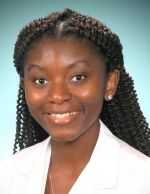
Congratulations to CSCC Newsletter Associate Editor Dr. Cate Omosule for receiving the 2026 ADLM Academy George Grannis Award for Excellence in Research and Scientific Publication. This award recognizes outstanding scientific and research achievements by trainees in laboratory medicine and diagnostics. Dr. Omosule’s research focuses on novel biomarkers for early detection of kidney disease in high-risk Ghanaian adults. This important work addresses a crucial gap by providing the evidence needed to improve risk assessment and management in global health settings.
Save the date for ADLM 2027 (July 25-29) in Chicago!