







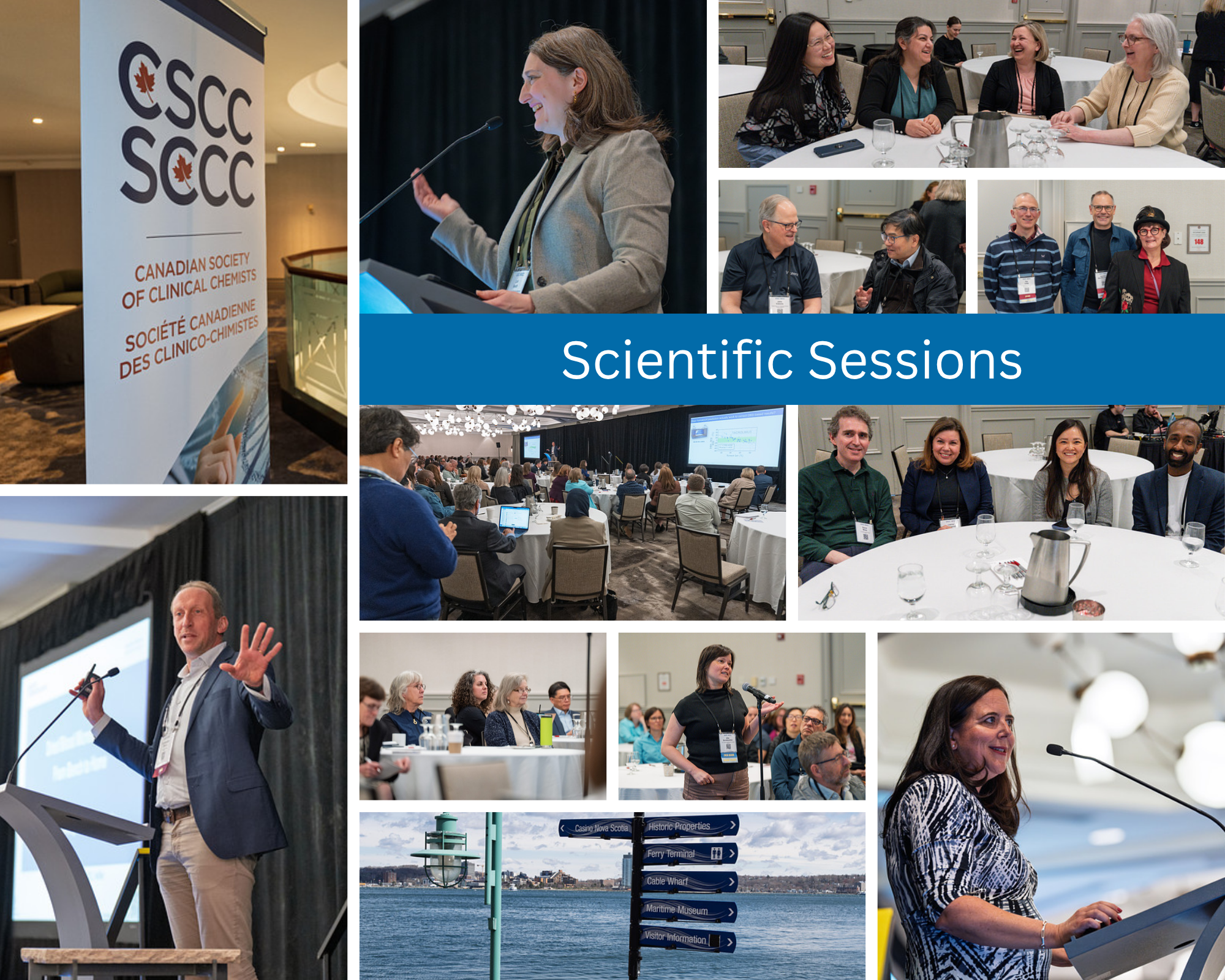
Highlights from the Halifax 2026 Conference: Scientific Sessions
Lightning Talks
Submitted by Dr. Dorothy Truong
The 2026 CSCC Annual Conference kicked off with its signature lightning talks—this year with a Shark Tank twist. Five presenters had just minutes to pitch innovative, feasible ideas for a hypothetical $1M investment, making their case to win support. Below is a summary of the projects. Which one would you fund?
Dr. David Seccombe opened the session with a proposal to establish the Canadian Laboratory Harmonization Network (CLHN), a national initiative aimed at improving consistency across laboratories. He highlighted ongoing variability in reference ranges, methods, and reporting practices across Canada—an issue made more pressing by the rise of direct-to-consumer testing. The CLHN would connect laboratories nationwide to align priorities and standardize practices, enabling clinicians in different provinces to interpret results using consistent reference intervals.
Next to present was Dr. Casey Williamson, who highlighted a critical data gap in clinical chemistry for patients with rare disorders and patients in underrepresented populations. Her proposed solution, MedTech Atlas, would create an inclusive data library of laboratory results to support better interpretation in these groups. Funding would support platform and library architecture development, stakeholder engagement, and outreach. Key features include local data storage, AI-driven analysis, and secure, continuous data collection. By building this comprehensive dataset, Dr. Williamson aims to improve diagnostic accuracy and equity in laboratory medicine.
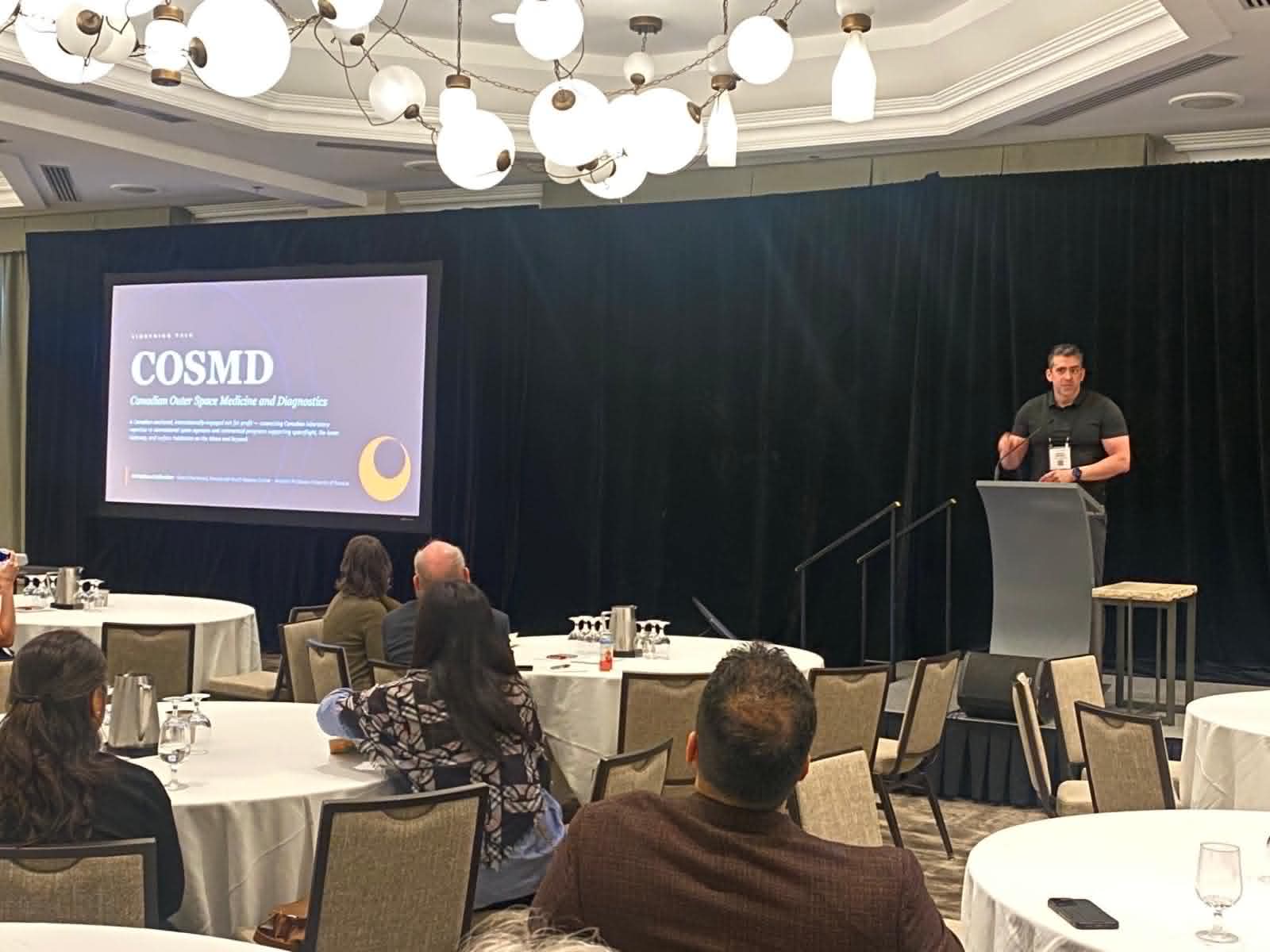
Dr. Matthew Lafreniere tackled a challenge that is quite literally out of this world—diagnostics in space medicine. He highlighted major gaps, including the impact of microgravity on testing and the lack of flyable diagnostic platforms for long-duration missions. While devices like the Abbott i-STAT are used in space, biomarker availability is limited, and most clinical analysis is delayed until astronauts return to Earth. To address this, he proposed the Canadian Outer Space Medicine and Diagnostics (COSMID), a Canadian-led initiative focused on advancing in-flight diagnostic blood testing. With other countries already investing in space medicine, Dr. Lafreniere emphasized the need for Canada to establish its own program—bringing together clinical biochemists to develop, translate, and support space-based diagnostic capabilities.
Dr. Manuela Neuman proposed the In Vitro Drug Safety and Biotechnology Lab, focused on advancing personalized medicine. With growing demand for tailored care, the lab developed innovative blood tests to identify individual drug sensitivities and prevent adverse reactions. Dr. Neuman also shared a case study in which the lab successfully identified acetaminophen sensitivity in a patient—preventing further adverse reactions and ultimately saving the patient’s life. The In Vitro Drug Safety and Biotechnology Lab also offers specialized diagnostics, including proprietary testing for Alzheimer’s and Lewy body dementia, as well as services for drug toxicity, herbal medicine assessment, and hypersensitivity to hornet venom.
Dr. Julie Shaw advocated for investment in hospital-grade continuous glucose monitors (CGMs). Unlike current devices, which do not have Health Canada approval for inpatient use, these CGMs would provide glucose measurements every five minutes and integrate with automated insulin delivery systems. This could improve outcomes—particularly for critically ill patients—by enabling continuous monitoring and reducing missed glycemic events. Despite strong patient demand and clinician support, regulatory approval in Canada remains a barrier. Dr. Shaw’s proposal calls for a standardized hospital CGM platform, with sensors applied at admission. Implementing hospital CGMs will require device validation, integration with electronic health records, more extensive interference studies, and comprehensive staff training.
Opening Keynote: From Evidence to Influence in Children’s Pain Care
Submitted by Dr. Aladdin Elzubeir
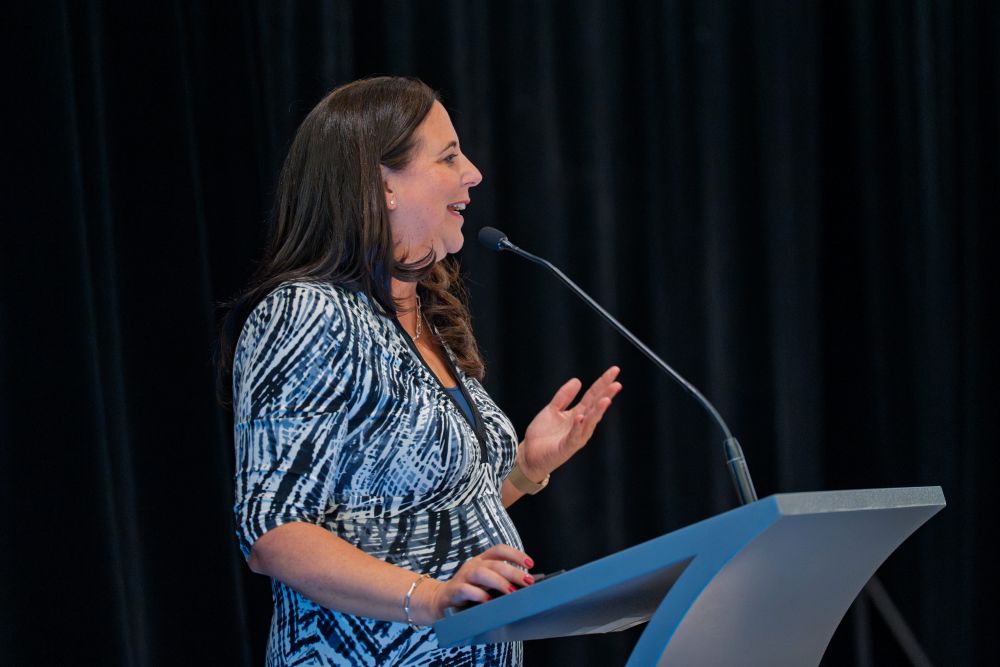
The 2026 CSCC Annual Meeting in Halifax opened with an inspiring keynote by Dr. Christine T. Chambers, who challenged attendees to think beyond generating evidence and toward ensuring it meaningfully improves children’s lives.
Dr. Chambers highlighted the persistent gap between what we know and what is done in practice. Despite strong evidence, many children continue to experience unnecessary pain during medical procedures. She reminded attendees that, only a few decades ago, infants often received no pain relief during surgery—illustrating how both science and advocacy can drive change.
Today, the evidence is clear: unmanaged pain in childhood has both immediate and long-term consequences, including impacts on development and increased risk of chronic pain. Yet evidence-based strategies remain underused in clinical settings.
A key message from the keynote was the important role of caregivers. Research shows that simple strategies—such as distraction, humour, and coaching—can significantly reduce children’s pain and distress. Conversely, well-intentioned reassurance may sometimes increase anxiety by signalling that a situation is threatening. As one child insightfully remarked, “When an adult tells you not to worry, you didn’t worry before—but now you start to.”
Dr. Chambers also emphasized the importance of knowledge mobilization. Through initiatives such as #ItDoesntHaveToHurt and Solutions for Kids in Pain (SKIP), her team is translating research into accessible, practical guidance for families and healthcare providers. By partnering with parents, clinicians, and organizations like Children’s Healthcare Canada, these efforts are helping bridge the gap between evidence and practice.
Her closing message was clear: improving children’s pain care is both a quality-of-care and patient safety priority. Meaningful progress will require collaboration, innovation, and a commitment to ensuring that evidence reaches those who need it most.
Symposium 1: Access for All: Supporting Healthcare and Lab Access in Challenging Environments
Submitted by Dr. Daniel Won-Shik Choi
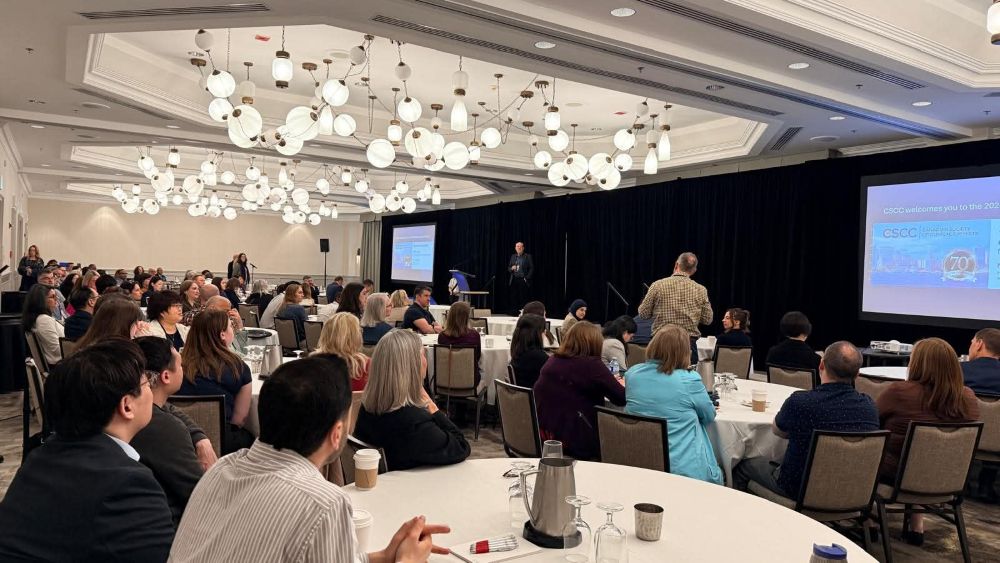
The first symposium “Access for All: Supporting Healthcare and Lab Access in Challenging Environments” featured three presentations.
Dr. Edward Randell (Newfoundland and Labrador Health Services) opened the session with “Navigating the Labrador Current: Point-of-Care Testing in Rural Newfoundland and Labrador – Successes, Barriers, and the Path to Diagnostic Accessibility.” He described the challenges of delivering laboratory services across rural and remote regions of Newfoundland and Labrador, including vast geography, low population density, severe weather, dependence on air transportation in some communities, staffing instability, and long specimen transport times. Dr. Randell highlighted how point-of-care testing (POCT), including troponin testing, can support urgent clinical decisions and potentially reduce unnecessary medical evacuations. However, he also described the challenges associated with bringing testing closer to patients in rural and remote settings. Reagent transport in cold temperatures, operator training, inventory control, quality oversight, and “ghost data” outside the laboratory information system all need to be addressed.
Drs. Mark Walsh (Dalhousie University) and Rob Liwski (Dalhousie University) then presented “Timely Testing in Transplantation: Challenges in Coordinating a Successful Transplant.” Dr. Walsh described the complexity of coordinating organ donation and transplantation across Atlantic Canada, involving donor teams, recipient programs, transportation services, and laboratories. He described how donor assessment, organ retrieval, transportation services, recipient preparation, and laboratory testing must be carefully coordinated within a limited time window. Dr. Liwski then discussed the role of HLA testing in determining donor-recipient compatibility, explaining how advances in antibody testing, HLA typing, and virtual crossmatching support national kidney sharing programs and increase opportunities for highly sensitized patients to receive a compatible kidney.
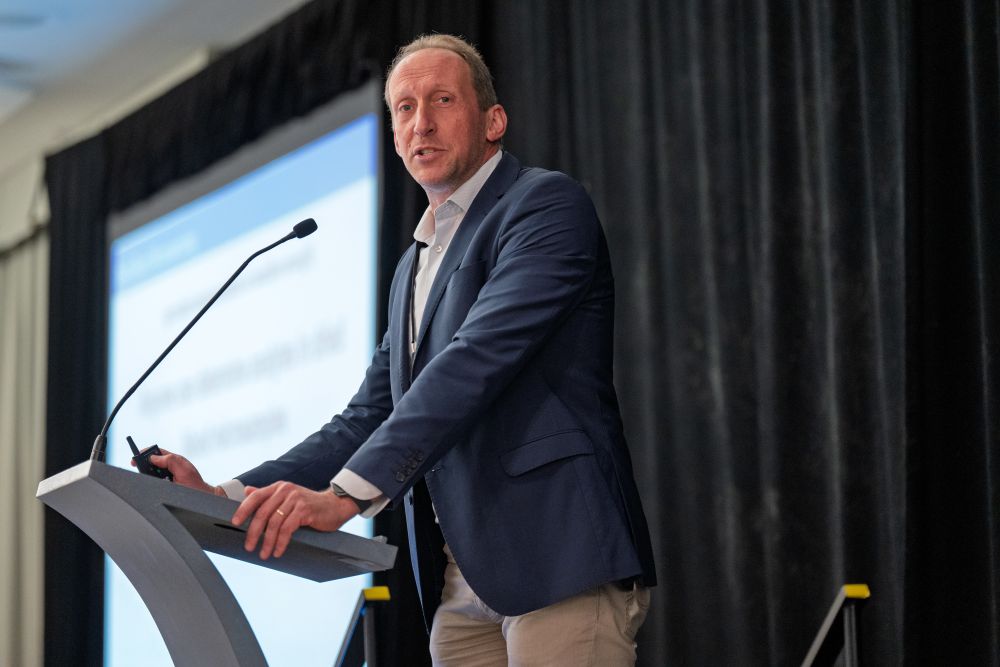
Dr. Christophe Stove (Ghent University, Belgium) concluded the symposium with “Dried Blood Microsampling: From Bench to Home.” Dr. Stove described how dried blood microsampling has expanded beyond its traditional use in newborn screening and can be applied in areas such as therapeutic drug monitoring and toxicology, including home-based testing. He also highlighted the need for further validation, as hematocrit effects, sample quality, differences in capillary and venous sampling, and interpretation of whole blood results against plasma or serum may limit its use for some analytes or applications. Together, this symposium highlighted current efforts and different approaches to improving access to laboratory testing in challenging environments.
Symposium 2, Part 1: Cytokine Storm Syndrome – Overview of a Concept
Submitted by Dr. Sisu Han
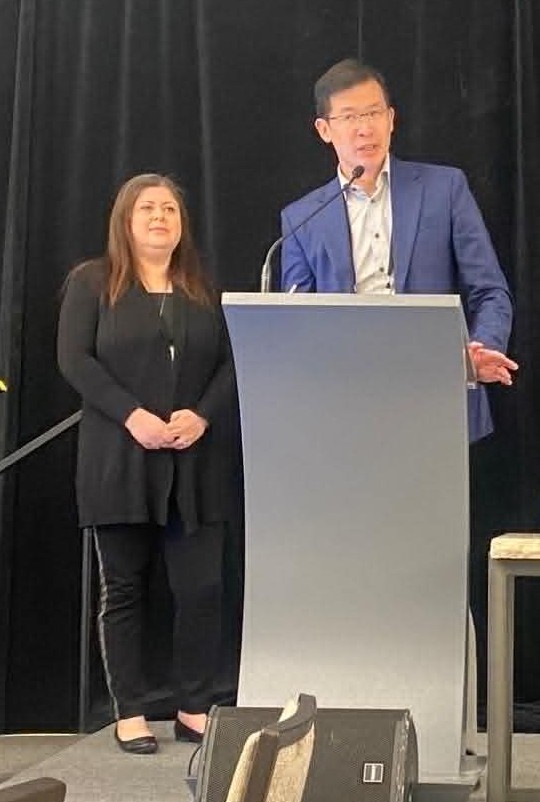
During Part 1 of Symposium 2, “New Kids on the Block: Cytokines as Emerging Tools in Rare and Complex Inflammatory Disorders,” Drs. Luke Chen and Lusia Sepiashvili provided a practical overview of cytokine storm syndromes and the evolving role of cytokine testing in clinical laboratories.
Dr. Chen opened the session by introducing cytokine storm as a clinical phenotype of immune dysregulation, characterized by persistent activation of lymphocytes and macrophages, inflammatory cytokine release, systemic inflammation, multiorgan dysfunction, and, in severe cases, death. Reflecting on the COVID-19 pandemic, he emphasized three key lessons: the immune system is not always protective, immunosuppression can be beneficial in selected patients, and serum cytokine measurements, while promising, are not yet as broadly useful in routine clinical practice as simpler inflammatory markers such as C-reactive protein and ferritin.
Dr. Chen then explored several important cytokine storm syndromes, including hemophagocytic lymphohistiocytosis, Still’s disease, and TAFRO syndrome. He described hemophagocytic lymphohistiocytosis as a condition involving profound macrophage and T-cell activation, and Still’s disease as a spectrum that includes systemic juvenile idiopathic arthritis and adult-onset Still’s disease. He also discussed TAFRO syndrome, which is characterized by thrombocytopenia, anasarca, fever, reticulin fibrosis or renal dysfunction, and organomegaly. Throughout this discussion, he highlighted commonly used inflammatory markers, including ferritin as a marker of macrophage activity, C-reactive protein as a marker related to interleukin-6 pathway activation, soluble CD25 as a marker of T-cell activity, and D-dimer as a marker being explored in this clinical context.
Dr. Sepiashvili then continued the session with an overview of cytokine testing in clinical laboratories. She described cytokines as multifunctional secreted proteins produced by immune and non-immune cells that work through complex and coordinated signalling networks. While broad multiplex cytokine profiling is commonly used in research settings, clinical laboratories currently focus on a smaller group of cytokines, often a handful to approximately 10–15 markers, for selected clinical indications. These include cytokine storm syndrome, cytokine release syndrome following chimeric antigen receptor T-cell therapy, macrophage activation syndrome, primary and secondary hemophagocytic lymphohistiocytosis, and multicentric Castleman disease.
The session also addressed practical considerations for bringing cytokine testing into clinical laboratory practice. Dr. Sepiashvili reviewed available and emerging testing methods, including enzyme-linked immunosorbent assays, automated immunoassays, multiplex bead-based immunoassays, multiplex array-based immunoassays, microfluidic immunoassays, and proximity ligation assays. She also discussed biological, pre-analytical, analytical, and post-analytical factors that can influence cytokine results, including specimen type, collection container, processing, storage, host factors, treatment status, assay imprecision, inter-method agreement, and lack of standardization. She concluded by noting that the clinical utility of cytokine testing in clinical laboratories remains an emerging area, with ongoing needs for clinical validation, standardization of cytokine panels, development of medical decision limits, and interpretive guidance.
Symposium 2, Part 2: Cytokine Storm Syndromes: Practical Diagnosis and Management
Submitted by Dr. Chien-Yi Lu
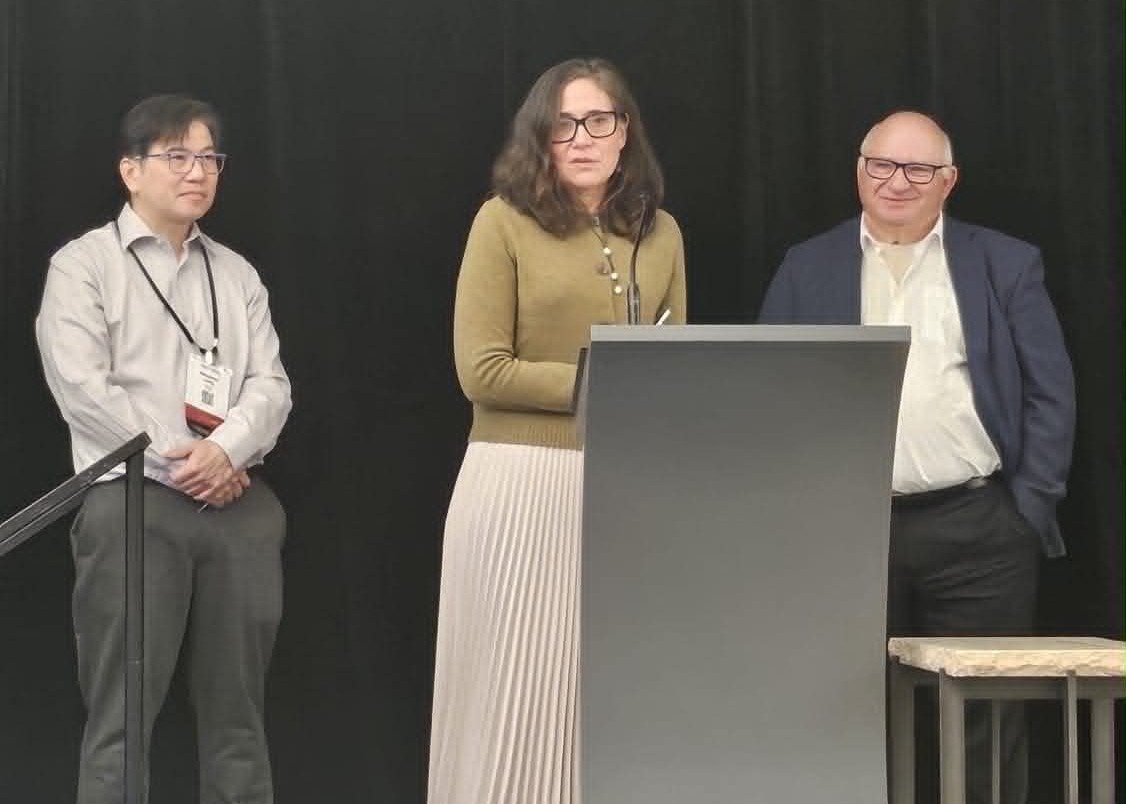
The symposium highlighted the diagnostic complexity and multidisciplinary management of cytokine storm syndromes, with presentations spanning clinical medicine, pathology, and laboratory biomarkers. Dr. Luke Chen shared several illustrative clinical cases of hemophagocytic lymphohistiocytosis (HLH), Still’s disease, and TAFRO syndrome to highlight the diagnostic challenges associated with cytokine storm syndromes. The cases demonstrated the overlapping clinical and laboratory features among these hyperinflammatory disorders, including fever, cytopenias, elevated inflammatory markers, and multiorgan involvement. Through these examples, participants were shown how laboratory investigations such as ferritin, CRP, and soluble CD25 can support early recognition and guide further diagnostic workup. The case-based discussion also emphasized the importance of timely diagnosis and multidisciplinary management in improving patient outcomes.
Dr. Sylvia Pasternak then discussed the diagnostic role of skin biopsy in Still’s disease and intravascular lymphoma. Using case-based examples, the presentation demonstrated how dermatopathologic findings can provide important diagnostic clues in patients with nonspecific systemic inflammatory presentations. The talk highlighted how skin biopsy may support earlier diagnosis, particularly in challenging cases where clinical findings overlap with infection, autoimmune disease, or hematologic malignancy.
Last but not least, Dr. Allam Shawwa reviewed the pathologic spectrum of Castleman disease and the morphologic features of hemophagocytosis in bone marrow specimens. The lecture summarized the current WHO classification of Castleman disease and highlighted the distinguishing histologic findings among its subtypes. Bone marrow morphology associated with hemophagocytic syndromes was also reviewed, reinforcing the importance of integrating pathology findings with clinical and laboratory data in the evaluation of cytokine storm syndromes.
Symposium 3: Evidence in Action – Using Evidence-based Medicine to Guide Utilization of Laboratory Testing
Submitted by Dr. Qi-Tong (Tom) Lin
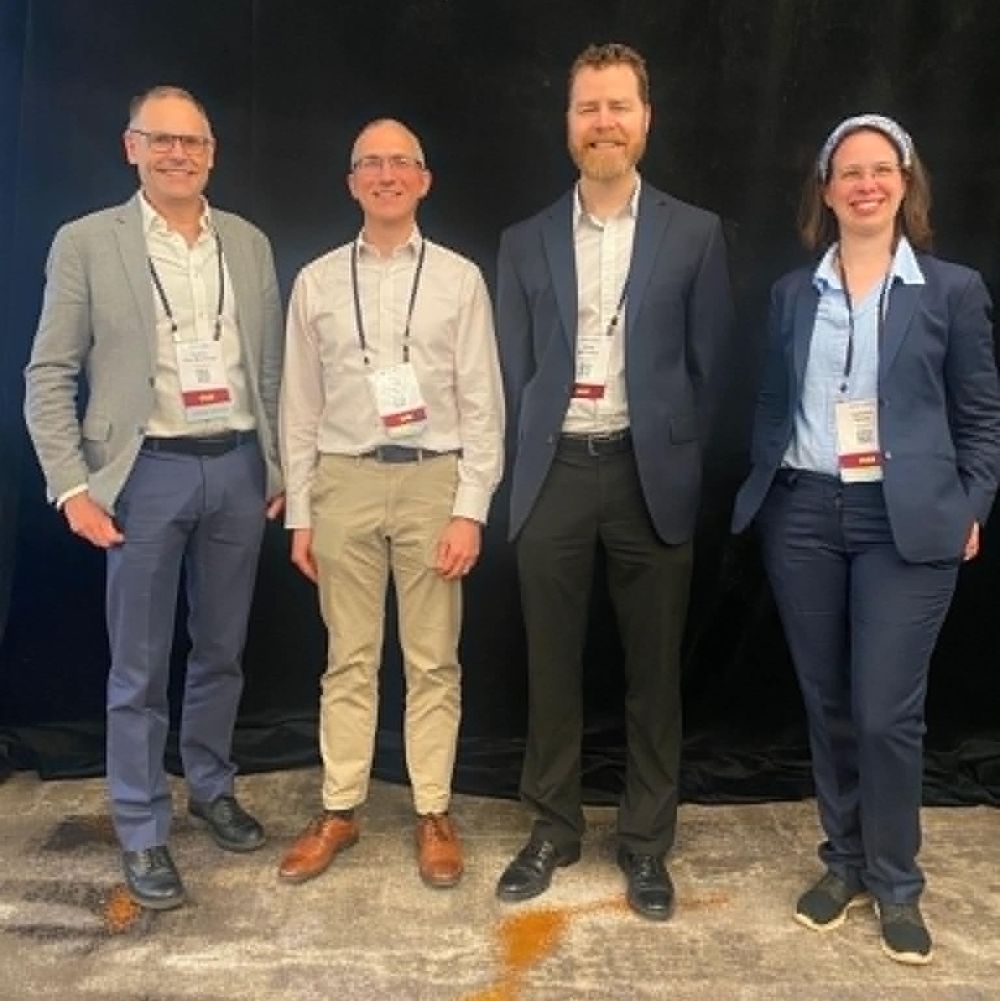
At the 2026 CSCC Annual Conference in Halifax, Symposium 3 examined how evidence-based laboratory medicine (EBLM) can support more appropriate, patient-centered, and sustainable laboratory testing. Presented by the IFCC Evidence-Based Laboratory Committee and chaired by Dr. Andrew Don-Wauchope, the session brought together speakers Drs. Andrew Don-Wauchope (Laverty Pathology), Tim Lang (Newcastle Upon Tyne Hospitals NHS Foundation Trust), Nathalie Weiss (INSTAND e.V.), and Christopher McCudden (EORLA).
A recurring message was that appropriate test utilization is not simply about reducing test numbers. Rather, it requires asking whether the right test is ordered for the right patient at the right time and if the result will meaningfully support clinical decision-making. Speakers emphasized the importance of beginning utilization initiatives with a clearly defined clinical question that is supported by structured evidence retrieval and appraisal using tools such as PICOTS framework and bias assessment tools such as QUADAS-C. Clinical practice guidelines were presented as valuable starting points, but local data, audits, stakeholder engagement, and iterative refinement remain essential to address persistent ordering habits.
The symposium highlighted several complementary approaches to utilization stewardship, including minimum retesting intervals, education, cost display, guideline reminders, computerized provider order entry rules, reflex testing, test hiding, hard stops, and utilization teams. Minimum retesting intervals were discussed as a practical strategy to reduce repeat testing which does not provide without added clinical value. This is particularly effective when implemented early at order entry with since there is access to previous results, retesting guidance, override options, and ongoing monitoring. Across interventions, success should be measured not only by test volume and cost, but also diagnostic yield, patient outcomes, length of stay, sustainability, and environmental impact.
The session also considered the emerging role of artificial intelligence (AI) in laboratory stewardship. AI may help personalize alerts, identify low-yield testing, and target modifiable ordering behaviour, but requires transparency, governance, workflow integration, and prospective evaluation. Overall, the symposium reinforced the central role of clinical biochemists who are well positioned to lead evidence-informed utilization initiatives.