







A Focus on Neurological Biomarkers at BC Neuroimmunology
Submitted by Dr. Chien-Yi Lu
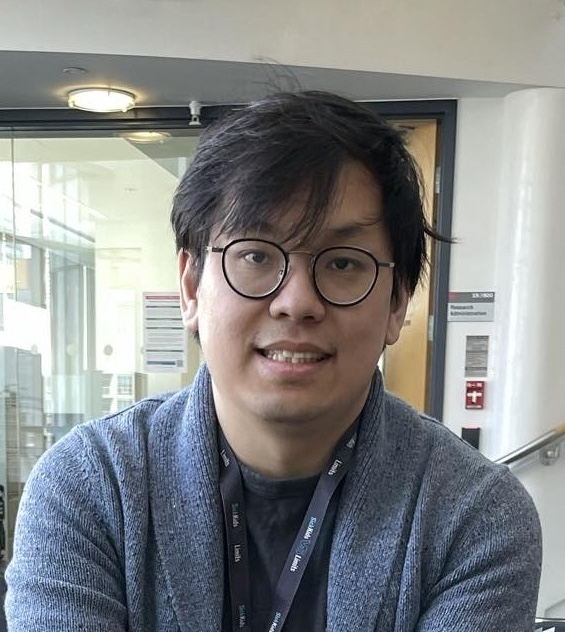
As part of my Clinical Chemistry Fellowship training at the University of Toronto, I completed a five-day elective visit in June at BC Neuroimmunology under the supervision of Dr. Pankaj Kumar. During the visit, I had the opportunity to meet with Dr. Kumar, Dr. Ali Mousavi (Consultant Neurologist), laboratory managers, and laboratory technologists. The elective provided valuable experience on specialized neurological biomarker testing that is not routinely available at my current training sites.
The primary objectives of this elective were to gain an overview of neurological biomarker testing, understand the clinical utility and limitations of neurological biomarkers, observe laboratory workflows and reporting practices, and learn about the development, validation, and quality management of neurological assays.
Throughout the visit, I participated in numerous discussions and lectures with Dr. Kumar and Dr. Mousavi regarding the utilization of neurological biomarkers, including Alzheimer’s disease biomarkers, neurofilament light chain (NfL), autoimmune and paraneoplastic antibodies, and myasthenia gravis testing. These discussions covered the clinical indications, interpretation, and limitations of testing, as well as the challenges associated with implementing and maintaining specialized neurological diagnostic services.
Alzheimer’s Disease Biomarker Testing
A major focus of the elective was Alzheimer’s disease biomarker testing. I learned about the use of both cerebrospinal fluid and plasma biomarkers and their role in diagnosis and patient management. I also gained exposure to these testing performed on the Lumipulse (Fujirebio) and SIMOA (Quanterix) platforms. Discussions highlighted the growing role of NfL as a biomarker of neuroaxonal injury in Alzheimer’s disease and other neurological disorders. We also discussed the lack of assay standardization and the importance of validating reference intervals and medical decision points for individual analytical platforms. In addition, I learned about several emerging Alzheimer’s disease biomarkers that remain in the research stage and may have future clinical applications.
The elective also provided hands-on experience to autoimmune neurological testing. I observed live cell-based assays used for NMOSD and myasthenia gravis testing and participated in slide review sessions that demonstrated assay interpretation and reporting. In addition, I learned about fixed cell-based assays and rat brain immunohistochemistry used in autoimmune encephalitis testing. Discussions covered the strengths and limitations of serum and cerebrospinal fluid testing, testing algorithms, and interpretation challenges encountered in clinical practice.
All About Assays
Another important component of the elective was learning about assay development, validation, and quality management. Through discussions with the laboratory team, I gained insight into the extensive work required to develop, validate, and maintain specialized neurological biomarker testing. This experience increased my appreciation for the challenges associated with operating these services while ensuring that assays remain fit-for-purpose. I also learned about the quality management processes required to maintain high analytical performance and reliable patient results.
This elective will have a direct impact on my future practice as a clinical biochemist. Neurological biomarkers, particularly NfL and Alzheimer’s disease biomarkers, have become increasingly important topics in laboratory medicine. With the emergence of disease-modifying therapies for Alzheimer’s disease and its ongoing clinical trials in Toronto, biomarkers are playing an expanding role not only in diagnosis but also in assessing treatment eligibility and monitoring therapeutic response. The knowledge gained during this elective will improve my ability to evaluate these tests, support physician interpretation, and participate in future implementation efforts should opportunities arise.
The discussions regarding the clinical utility and utilization of neurological biomarkers are also highly relevant to my future role at LifeLabs, which currently offers Alzheimer’s disease biomarker testing. In addition, autoimmune encephalitis and paraneoplastic antibody testing were recurring topics encountered during several of my fellowship rotations. The insights gained from BC Neuroimmunology will allow me to share practical knowledge with colleagues and trainees and contribute to discussions regarding test utilization and send out criteria.
I am grateful to the CSCC Trainee Elective Visit Grant for providing financial support for this opportunity. The grant significantly reduced the financial burden associated with travel and accommodation and made this elective experience much more accessible. The knowledge and experience gained during this visit will continue to benefit my professional development and future contributions to laboratory medicine.